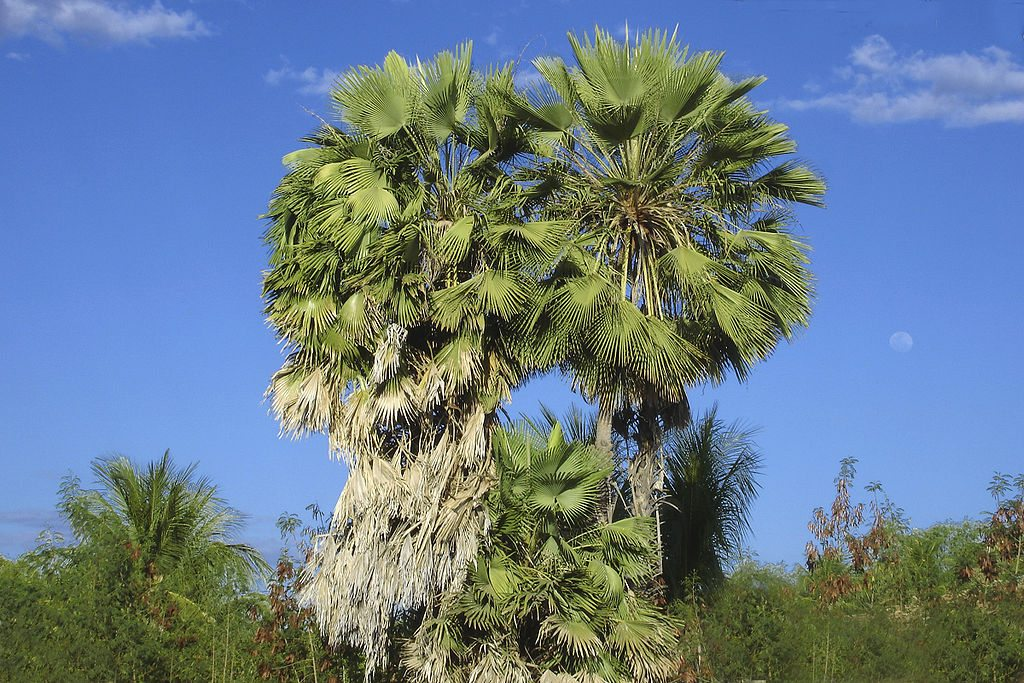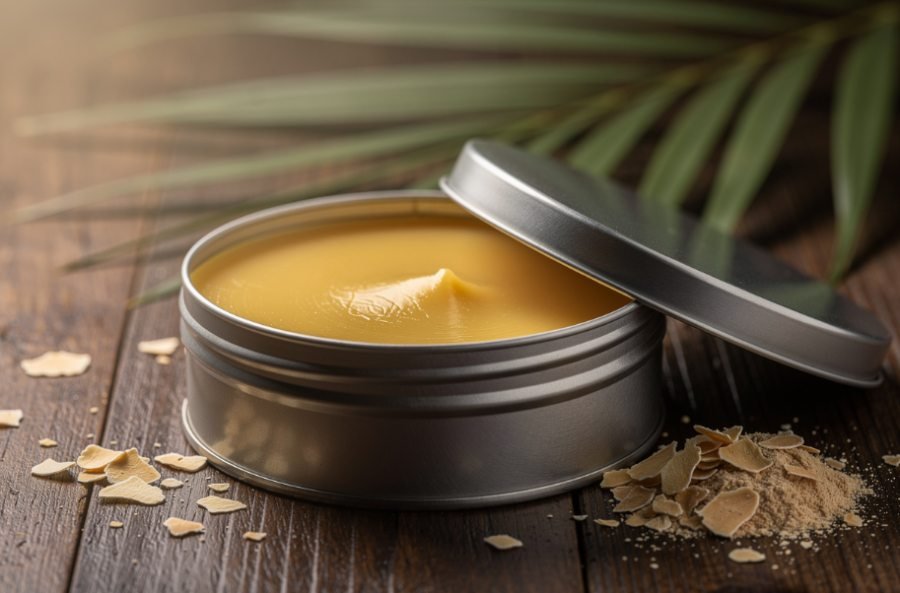
The carnauba palm tree is one of those natural resources that quietly shapes everyday life across the globe. Many people use products derived from it without ever realizing where they come from. From shiny car finishes to food coatings and cosmetics, this palm delivers versatility, durability, and sustainability in a single plant. Native to Brazil and adapted to harsh climates, the carnauba palm stands as a symbol of resilience and economic value.
Understanding how this palm tree is used, which products come from it, and why the carnauba wax is so highly valued helps explain why demand keeps growing year after year. The topic goes far beyond agriculture and enters industries such as automotive care, pharmaceuticals, food processing, and green manufacturing.
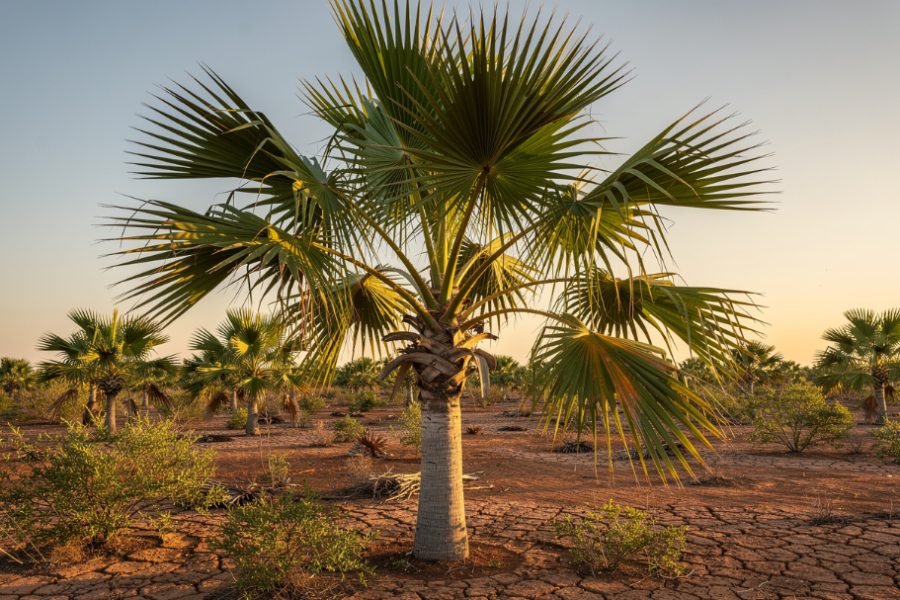
What is the carnauba palm tree and why is it so special?
The carnauba palm tree thrives in hot and dry regions where many other plants struggle to survive. Its ability to grow under intense sun and limited water makes it unique among palms. Tall, elegant, and slow-growing, it can live for decades while producing valuable leaves year after year.
What truly sets this palm apart is the natural wax that forms on the surface of its leaves. This wax acts as a protective barrier against dehydration, helping the plant survive extreme heat. Humans discovered long ago that this same wax has exceptional properties that make it useful in countless applications.
The tree is often called the “tree of life” because almost every part can be used in some way. Leaves, fruit, trunk, and fibers all serve practical purposes, supporting local economies and global supply chains at the same time.
Where does the carnauba palm tree grow naturally?
The natural habitat of the carnauba palm tree is concentrated in northeastern Brazil. The region’s climate, marked by strong sunlight and seasonal droughts, creates ideal conditions for wax formation. Over generations, local communities have developed sustainable harvesting methods that allow the palm to regenerate while continuing to produce valuable raw material.
Although the tree is native to Brazil, its products are exported worldwide. Many industries rely on consistent quality and supply, which has encouraged careful management of carnauba palm groves. This balance between nature and production is one of the reasons the tree remains relevant in modern markets.
How is carnauba wax obtained from the palm tree?
The process of obtaining carnauba wax begins with harvesting mature leaves. These leaves are dried naturally under the sun, which causes the waxy coating to become brittle. Once dry, the wax is mechanically separated from the leaf surface.
After extraction, the raw wax undergoes purification to remove impurities. The result is a hard, yellowish wax known for its high melting point and glossy finish. Different grades are produced depending on color, purity, and intended use.
This process is valued for being relatively low-impact when done responsibly. The tree is not cut down, and new leaves continue to grow, making the wax a renewable resource when managed correctly.
Why is carnauba wax considered a premium natural wax?
Carnauba wax is often described as the hardest natural wax available. Its resistance to heat, moisture, and wear makes it superior in many applications. These characteristics explain why it is frequently chosen over synthetic alternatives, especially in products that require durability and shine.
Another key factor is its plant-based origin. In an era where consumers increasingly seek natural and biodegradable ingredients, carnauba palm wax stands out as a reliable option. Its performance combined with environmental appeal gives it a premium reputation across industries.
What are the main uses of carnauba wax today?
Carnauba wax appears in products people interact with daily, often without noticing. Its versatility allows it to perform multiple functions depending on how it is processed and combined with other materials.
Some of the most common uses include:
- Polishing and protective coatings for vehicles and floors
- Glazing agent in food products such as candies and fruits
These applications highlight the wax’s ability to protect surfaces, enhance appearance, and extend shelf life, all while remaining safe for controlled consumption and contact.
How is carnauba wax used in the automotive industry?
In the automotive world, carnauba wax is almost legendary. It is widely used in high-end car polishes and detailing products. When applied to vehicle paint, it creates a deep, reflective shine that enhances color and protects the surface.
The wax forms a durable layer that repels water, dust, and minor contaminants. This protective effect helps preserve paintwork against environmental damage such as sunlight and pollution. For car enthusiasts and professionals alike, natural carnauba wax represents quality and craftsmanship.
What role does carnauba play in food and pharmaceuticals?
In the food industry, carnauba wax functions mainly as a glazing and coating agent. It gives candies a smooth, appealing finish and helps prevent moisture loss in fruits. The wax is tasteless and odorless, which makes it ideal for applications where flavor integrity matters.
Pharmaceutical products also benefit from its properties. Tablets and capsules often use carnauba wax to improve appearance and control how ingredients are released. Its stability ensures consistency and reliability in dosage forms.
How is carnauba used in cosmetics and personal care products?
Cosmetics rely heavily on texture, stability, and visual appeal. Carnauba wax contributes to all three. It is commonly found in lipsticks, mascaras, creams, and balms, where it helps maintain structure and prevents melting at higher temperatures.
Because it is plant-derived, the wax aligns well with clean beauty trends. Brands that emphasize natural ingredients often highlight carnauba-based waxes as part of their formulations, appealing to consumers who value sustainability and performance.
What other products come from the carnauba palm tree?
Beyond wax, the carnauba palm tree offers a variety of byproducts that support different industries. Leaves are used in crafts, roofing, and traditional items. Fibers extracted from the palm are turned into ropes, brooms, and brushes.
The fruit, although less known internationally, is used locally in animal feed and other applications. Even the trunk can serve construction purposes in rural settings. This wide range of uses reinforces the palm’s economic importance and minimizes waste.
Is carnauba palm tree harvesting sustainable?
Sustainability is a crucial topic when discussing natural resources. The carnauba palm tree has an advantage because wax harvesting does not require destroying the plant. With proper management, the same tree can produce leaves for many years.
Responsible harvesting focuses on timing and leaf selection, ensuring the palm remains healthy. This approach protects local ecosystems while supporting livelihoods. When combined with modern environmental practices, carnauba production can meet global demand without compromising future supply.
Why is global demand for carnauba products increasing?
Several factors drive the rising demand for carnauba products. One is the shift toward natural and renewable materials across industries. Another is the performance advantage the wax offers compared to many synthetic alternatives.
As consumers become more conscious of ingredient origins, manufacturers respond by choosing materials with a positive image and proven functionality. The carnauba palm tree fits this profile well, balancing tradition, innovation, and sustainability.
How does carnauba compare to synthetic waxes?
Synthetic waxes can be engineered for specific tasks, but they often lack the unique combination of hardness, gloss, and natural appeal found in carnauba wax. While synthetics may offer lower costs, they rarely match the premium finish associated with pure carnauba wax.
For applications where quality and perception matter, such as luxury vehicles or high-end cosmetics, carnauba remains the preferred choice. Its reputation has been built over decades of consistent performance.
What makes carnauba palm tree products valuable in international markets?
International markets value reliability, quality, and ethical sourcing. Carnauba palm tree products check all these boxes when produced responsibly. The wax’s uniform characteristics and adaptability allow it to meet diverse regulatory and industry standards.
Exporters benefit from the palm’s established reputation and the growing preference for natural inputs. This combination ensures continued relevance in global trade and long-term commercial potential.
How the carnauba palm tree connects tradition and modern industry
The story of the carnauba palm tree is one of adaptation. Traditional knowledge laid the foundation for harvesting and usage, while modern technology refined processing and expanded applications. Today, the palm stands at the intersection of heritage and innovation.
From rural landscapes to industrial supply chains, the carnauba palm continues to prove its worth. Its uses, products, and wax remain deeply integrated into daily life, often unnoticed yet essential, shaping how surfaces shine, products last longer, and natural materials gain new value.