In the global commodities market, few natural products manage to combine sustainability, performance, and versatility the way carnauba wax does. Used across industries ranging from food and cosmetics to automotive and electronics, this natural wax has become a strategic input for manufacturers worldwide. When international buyers search for a reliable carnauba wax supplier, their attention consistently turns to Brazil, a country that has mastered both the production and export of this unique resource.
Brazil is not just another producer in this segment. It is the origin of carnauba wax itself, extracted from a palm tree that grows almost exclusively in specific regions of the country. Over decades, Brazilian producers have refined harvesting techniques, processing standards, and logistics networks to meet the demands of the most competitive international markets. China, in particular, has emerged as one of the largest importers, relying on Brazilian supply to sustain its industrial growth.
This article explores why Brazil has become the world’s reference point for carnauba wax, how it serves China and other global markets, and what makes Brazilian suppliers stand out in terms of quality, reliability, and long-term value.
What Makes Carnauba Wax So Valuable Worldwide?
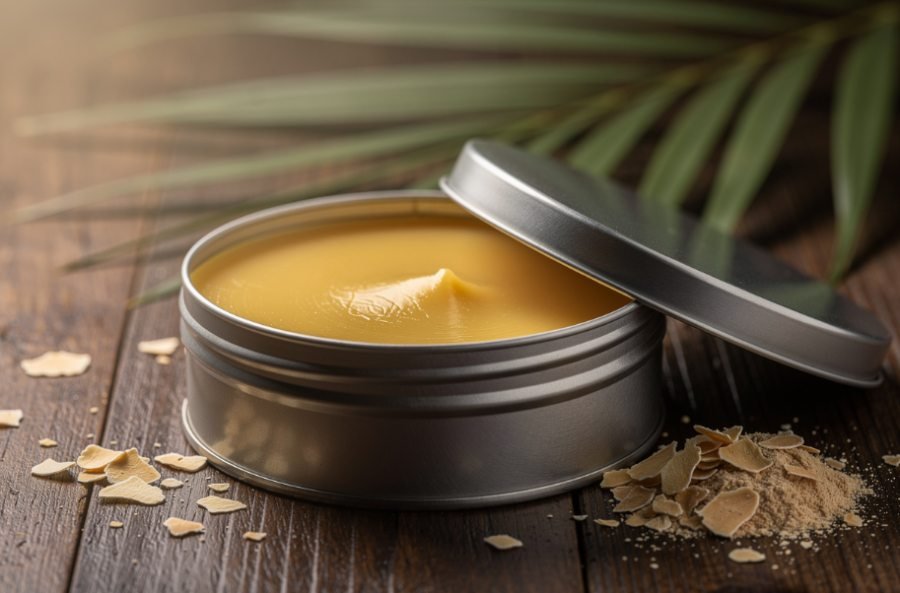
Carnauba wax is often referred to as the “queen of waxes” due to its hardness, high melting point, and natural shine. These characteristics make it indispensable in applications where durability and finish matter. Unlike synthetic alternatives, it is plant-based and renewable, which aligns with the increasing global demand for sustainable raw materials.
Industries value this wax for different reasons. In food products, it enhances appearance and protects surfaces. In cosmetics, it provides texture and stability. In automotive and industrial uses, it offers resistance and gloss that few natural substances can match. Because of this versatility, demand continues to grow, especially in manufacturing-driven economies such as China.
Behind this global demand is a supply chain that must be consistent, scalable, and trustworthy. That is where Brazil’s role becomes critical.
Why Is Brazil the World’s Main Source of Carnauba Wax?
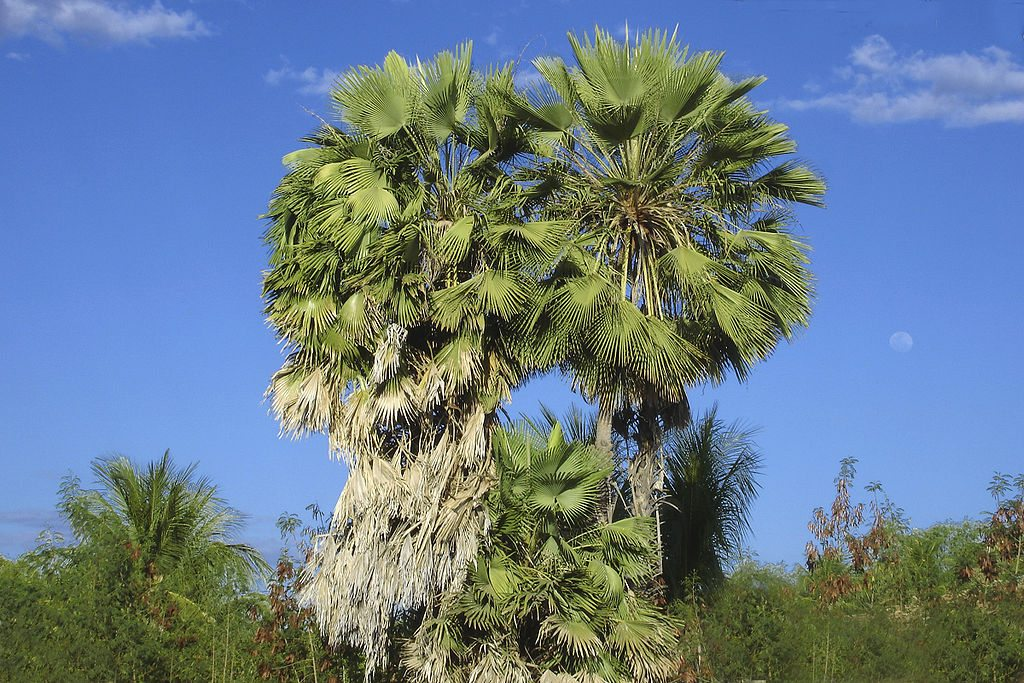
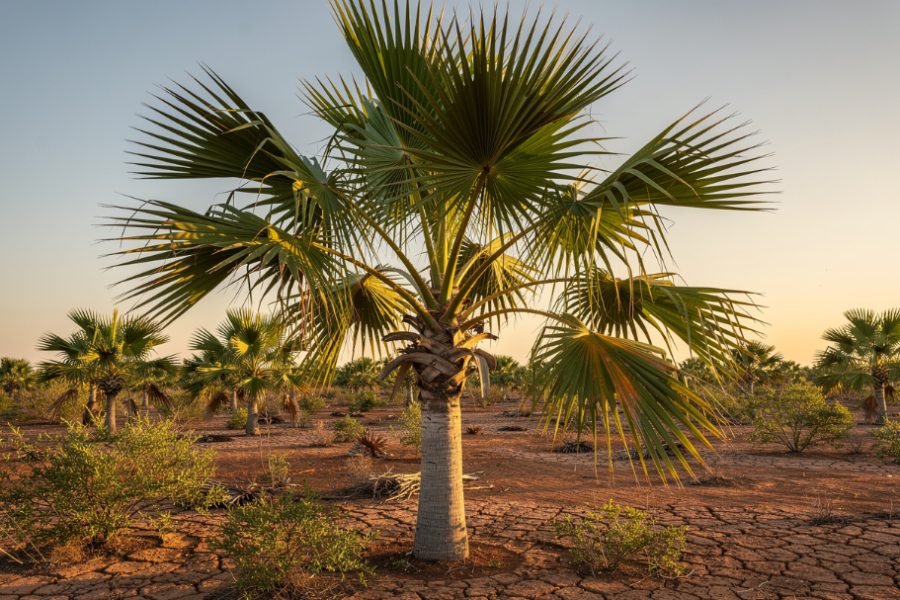
Carnauba wax can only be produced where the carnauba palm naturally thrives. Brazil offers the ideal climate and soil conditions for this palm, particularly in the northeastern regions. This geographical exclusivity already gives Brazil a strategic advantage, but the country has gone far beyond simply harvesting a natural resource.
Brazilian producers have invested heavily in refining extraction and processing methods. Leaves are collected, dried, and transformed into wax powder before undergoing purification processes that result in different grades suitable for specific industries. This expertise ensures that buyers receive a product that meets strict technical requirements, regardless of application.
For international buyers, especially those in China, sourcing from a Brazilian carnauba wax producer means access to a stable supply with predictable quality. This reliability is crucial for large-scale manufacturing, where variations in raw materials can disrupt entire production lines.
How Brazil Became a Trusted Supplier for China
China’s rapid industrial expansion has created an enormous appetite for high-performance raw materials. Carnauba wax fits perfectly into this demand, particularly for industries focused on coatings, electronics, automotive care, and consumer goods.
Brazilian exporters have adapted to this market by aligning production volumes, packaging standards, and logistics with Chinese requirements. Long-term commercial relationships, clear quality specifications, and efficient shipping routes have strengthened trust between Brazilian suppliers and Chinese importers.
Another factor that reinforces this trust is consistency. Chinese manufacturers value suppliers who can deliver the same product characteristics year after year. Brazilian producers, with decades of experience, have built systems that reduce variability and ensure continuity even during challenging harvest seasons.
This combination of natural advantage and operational maturity explains why China continues to prioritize Brazil when sourcing from a carnauba wax supplier for large-scale use.
Quality Standards That Meet Global Expectations
International markets demand more than volume. They require compliance, traceability, and performance. Brazilian suppliers understand this reality and operate under strict quality control protocols throughout the production chain.
From harvesting to final export, each stage is monitored to ensure purity, color consistency, and physical properties. Different grades are produced to serve specific industrial needs, allowing buyers to select the most appropriate option without compromising performance.
For global buyers, this attention to detail translates into fewer production issues and greater confidence. When working with a premium carnauba wax exporter from Brazil, manufacturers know they are receiving a product designed to integrate seamlessly into their processes.
Sustainability and Ethical Production as Competitive Advantages
Sustainability is no longer optional in global trade. Buyers, regulators, and consumers increasingly expect ethical sourcing and environmental responsibility. Brazilian carnauba wax production stands out in this regard.
The harvesting process does not destroy the palm tree, allowing it to regenerate naturally. Many producers work directly with local communities, providing income while preserving traditional practices. This balance between economic activity and environmental care strengthens Brazil’s position as a responsible global supplier.
For international markets like China, which are under growing pressure to adopt greener supply chains, sourcing from Brazil supports sustainability goals without sacrificing performance or cost efficiency.
Logistics and Export Infrastructure Supporting Global Supply
A reliable supplier must deliver not only quality but also efficiency. Brazil has developed strong export infrastructure tailored to agricultural and natural products. Ports, shipping routes, and export documentation processes are well established, enabling smooth deliveries to Asia, Europe, and North America.
Chinese importers benefit from predictable transit times and established trade flows. This logistical maturity reduces risks associated with delays or shortages, which can be costly for large manufacturing operations.
Choosing a Brazilian natural wax supplier often means fewer surprises and greater control over inventory planning, a critical advantage in competitive markets.
How Brazilian Suppliers Adapt to International Market Needs
One of the reasons Brazil remains dominant is its ability to adapt. Suppliers do not operate with a one-size-fits-all approach. Instead, they tailor specifications, packaging, and even processing levels according to the destination market.
For China, this flexibility is particularly important. Industrial applications may require specific melting points, color ranges, or particle sizes. Brazilian producers work closely with buyers to meet these requirements, reinforcing long-term partnerships rather than transactional relationships.
This adaptability positions Brazil not just as a source of raw material, but as a strategic partner for companies seeking stability and growth.
What Global Buyers Look for in a Carnauba Wax Supplier
When international companies evaluate suppliers, several factors come into play beyond price. Experience, reliability, and technical support often weigh more heavily in long-term decisions.
Key aspects that buyers typically value include:
- Consistent product quality across large volumes
- Ability to meet customized specifications for different industries
Brazilian suppliers excel in these areas, which explains their continued leadership in the global market. For buyers in China and elsewhere, working with an established carnauba wax supplier from Brazil reduces uncertainty and supports sustainable growth.
The Future of Brazilian Carnauba Wax in the International Market
Global demand for natural, high-performance materials is expected to grow steadily. As industries seek alternatives to synthetic components, carnauba wax will likely gain even more prominence. Brazil is well positioned to meet this demand thanks to its natural resources, accumulated expertise, and commitment to responsible production.
China’s role as a major consumer will remain significant, but other regions are also increasing imports. This diversified demand strengthens Brazil’s export economy and reinforces its status as the world’s primary reference in this sector.
For companies looking ahead, establishing partnerships with Brazilian producers offers access to a resource that combines performance, sustainability, and reliability in a single product.